


Your pelvic floor muscles play a vital role in your daily health and well-being, but many people are unaware of their importance until something goes wrong. If you’ve been experiencing symptoms like bladder leakage, discomfort in the pelvic area, or a sensation of heaviness or pressure, you may be dealing with pelvic floor dysfunction.
In this article, we’ll explore everything you need to know about pelvic floor disorders—including how the pelvic floor works, common causes of dysfunction, the most effective treatments, and how to strengthen your pelvic floor muscles through targeted exercises.
What Is the Pelvic Floor?
Before diving into dysfunction, it’s helpful to understand the basics of pelvic anatomy.
The pelvic floor is a group of muscles and connective tissues that form a supportive sling across the base of your pelvis.
These pelvic floor muscles play a crucial role in:
- Supporting organs like the bladder, bowel, and uterus (in women)
- Controlling continence (your ability to hold in urine and stool)
- Aiding core stability
- Facilitating sexual function
- Supporting movement and posture
Healthy pelvic muscles contract and relax as needed. When they aren’t working properly—either becoming too weak, too tight, or uncoordinated—it can lead to a wide range of issues known collectively as pelvic floor dysfunction.
What Is Pelvic Floor Dysfunction?

Pelvic floor dysfunction refers to a condition where the pelvic floor muscles are not functioning as they should. This can happen due to muscle weakness, tension, injury, or poor coordination. While it can affect anyone, it’s most commonly seen in women during or after pregnancy, men after prostate surgery, or older adults.
There are two primary types of pelvic floor disorders:
- Hypotonic dysfunction: Muscles are too weak or overstretched.
- Hypertonic dysfunction: Muscles are too tight or unable to relax.
Both types can lead to different, yet equally disruptive, symptoms.
Common Symptoms of Pelvic Floor Dysfunction
The symptoms of pelvic floor dysfunction vary depending on the nature and severity of the issue. You might be experiencing pelvic muscle dysfunction if you notice:
- Urinary incontinence (leakage when coughing, sneezing, laughing, or exercising)
- Bowel incontinence or constipation
- Pelvic pressure or heaviness, especially toward the end of the day
- Lower back pain or discomfort in the hips
- Pain during intercourse
- A feeling of incomplete emptying when using the bathroom
- A bulging sensation in the vagina or rectum (in more severe cases)
These symptoms can be frustrating, embarrassing, and emotionally draining—but the good news is, they’re treatable with the right support.
What Causes Pelvic Floor Dysfunction?
Several factors can lead to pelvic muscle dysfunction. Common causes include:
Pregnancy and Childbirth
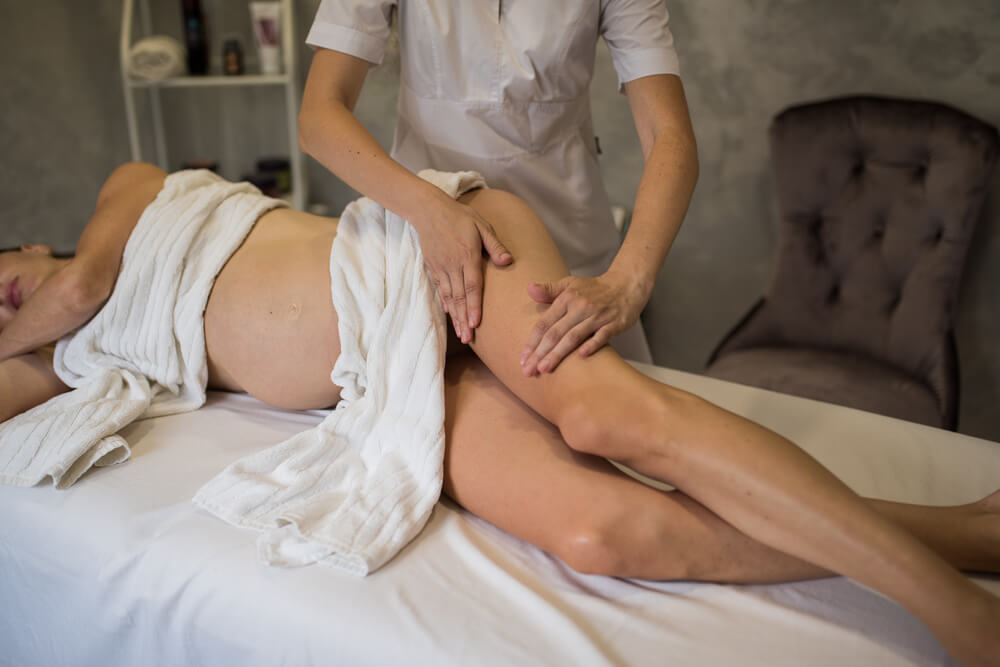
During pregnancy, the pelvic floor muscles stretch to support the growing baby. Vaginal childbirth can further strain or damage these muscles, leading to weakness or prolapse. This is why pelvic floor exercises during pregnancy are so important—they prepare the body for labour and childbirth, and help with postpartum recovery.
Aging and Hormonal Changes
As we age, our muscles naturally weaken, including those of the pelvic floor. For women, reduced estrogen levels during menopause can also affect pelvic muscle strength and tissue elasticity.

Chronic Constipation or Straining
Repeated straining during bowel movements can put excessive pressure on the pelvic floor, potentially weakening or tightening the muscles over time.

Surgery or Injury
Pelvic or abdominal surgeries (e.g., prostate surgery in men) may disrupt the function of pelvic nerves and muscles.

Obesity and High-Impact Exercise
Excess weight and certain types of exercise, such as heavy lifting or high-impact sports, can increase pressure on the pelvic region.

Poor Posture and Breathing Patterns
Since the pelvic floor is part of your core system, slouched posture and shallow breathing can contribute to dysfunction.

Diagnosing Pelvic Floor Dysfunction
If you’re experiencing any of the symptoms mentioned, it’s essential to consult a qualified physiotherapist or pelvic health professional.
A pelvic floor physiotherapy assessment may include:
- A detailed discussion of your symptoms, medical history, and lifestyle
- Posture and movement analysis
- A physical or internal exam (with your consent) to evaluate your pelvic floor muscle strength, tone, and control
Diagnosis helps determine whether your condition is caused by muscle weakness, tightness, or a combination of both, so your treatment plan can be tailored accordingly.
Treatments for Pelvic Floor Dysfunction
The most effective treatment for pelvic floor dysfunction depends on your specific symptoms and the underlying cause. Common options include:
Pelvic Floor Physiotherapy
This is often the first line of treatment for pelvic floor disorders.
A trained pelvic floor physiotherapist can guide you through:
- Relaxation techniques for tight muscles
- Pelvic floor exercises to strengthen weak muscles
- Biofeedback and real-time feedback to improve muscle control
- Education around posture, movement, and breathing
Physiotherapy is effective for both women and men and is a non-invasive, drug-free option with excellent outcomes.
Pelvic Floor Exercises
Also known as Kegels, these exercises involve gently squeezing and lifting the pelvic muscles, then relaxing them. They help improve muscle tone, control, and support.
How to Strengthen Pelvic Floor Muscles:
- Sit or lie down comfortably.
- Contract the muscles you’d use to stop urination or hold in wind.
- Hold the contraction for 3–5 seconds, then relax for 5 seconds.
- Repeat 10 times, 3 times a day.
Note: It’s essential to learn the correct technique—performing them incorrectly can exacerbate symptoms. That’s why consulting a pelvic physiotherapist is recommended.
Lifestyle Modifications
Changes such as avoiding heavy lifting, managing constipation, maintaining a healthy weight, and improving posture can help reduce pressure on your pelvic muscles.
Supportive Devices
In some cases, tools such as pessaries for prolapse or exercise supports can help manage symptoms effectively.
Medical or Surgical Options
If conservative treatment doesn’t relieve symptoms, a referral to a pelvic specialist or surgeon may be necessary. However, most cases improve significantly with physiotherapy and exercise.
How to Improve Pelvic Muscle Health Daily
Aside from prescribed physiotherapy and targeted exercises, you can support your pelvic floor health with small daily habits:
- Avoid straining during bowel movements.
- Breathe diaphragmatically (deep belly breathing).
- Engage in low-impact exercises like walking, swimming, or Pilates.
- Maintain good posture to prevent slumping your pelvis.
- Include pelvic floor exercises in pregnancy to prevent postpartum issues.
- Stay hydrated and maintain a diet rich in fibre to help prevent constipation.
Early Treatment Can Lead to Better Outcomes with Pelvic Floor Dysfunction
Pelvic floor dysfunction can impact your physical, emotional, and social well-being. But with awareness and early intervention, it’s entirely treatable. Seeking help from a pelvic floor physiotherapist and following a tailored plan of pelvic floor exercises and lifestyle adjustments can help you regain control, reduce symptoms, and feel more confident in your body.
Need Support with Pelvic Floor Dysfunction?
At BodyMotion Physiotherapy in Mitcham, we provide personalised care for men and women experiencing pelvic floor challenges. Whether you’re looking to manage pelvic muscle dysfunction, improve strength, or prevent issues during and after pregnancy, our compassionate team is here to help.
Book Your Appointment Online or contact our friendly team to learn more today.