


Hip replacement surgery is a transformative procedure that offers relief from chronic pain and significantly improves mobility. Yet, many people experience lingering discomfort or groin pain after hip replacement. While frustrating, this kind of post-operative pain is common and typically manageable. Understanding why you’re experiencing groin pain after hip surgery and knowing how to effectively relieve hip and groin pain can make your recovery smoother and faster.
In this comprehensive guide, we’ll explore the reasons behind groin pain after a hip operation and offer practical, actionable advice to help ease your discomfort, accelerate healing, and get you back to an active lifestyle.
Why Am I Experiencing Groin Pain After Hip Replacement?
Groin pain after hip replacement surgery often surprises many patients, raising concerns about whether something may have gone wrong during the operation. However, experiencing some degree of pain in the groin after hip replacement is normal.
Here’s why it happens:
- Tissue Healing and Scar Formation: Following hip surgery, your body initiates a healing response, which results in temporary inflammation and discomfort in the surrounding tissues.
- Muscle Weakness: Surgery and inactivity weaken muscles around your hip and groin, leading to muscle soreness when you start moving again.
- Surgical Techniques: Certain surgical methods require navigating through the groin muscles, which can lead to postoperative tenderness and pain.
- Adjustments to the Implant: Your body adapts to the new artificial hip joint, which can occasionally cause referred pain in the groin.
In most cases, groin pain post-hip surgery gradually subsides as your body heals. However, understanding and actively managing this pain can significantly improve your comfort and recovery timeline.
Common Symptoms of Groin Pain Post-Hip Surgery
Recognising common symptoms helps distinguish normal post-surgical pain from signs requiring medical attention. Typical symptoms of groin pain after hip operation include:
- Dull, aching discomfort around the groin area.
- Sharp or stabbing pains when initiating movement or standing.
- Increased soreness after prolonged sitting or physical therapy sessions.
- Mild swelling or bruising around the upper thigh or groin.
- Muscle tightness limiting hip movement.
If these symptoms persist or worsen significantly over time, consult your physiotherapist or surgeon to rule out any potential complications.
How to Relieve Hip and Groin Pain After Surgery
Fortunately, you don’t have to endure post-operative discomfort without help. Here are proven ways to relieve hip and groin pain effectively after your replacement surgery:
Follow a Structured Physiotherapy Program
Working closely with an experienced physiotherapist can make all the difference.
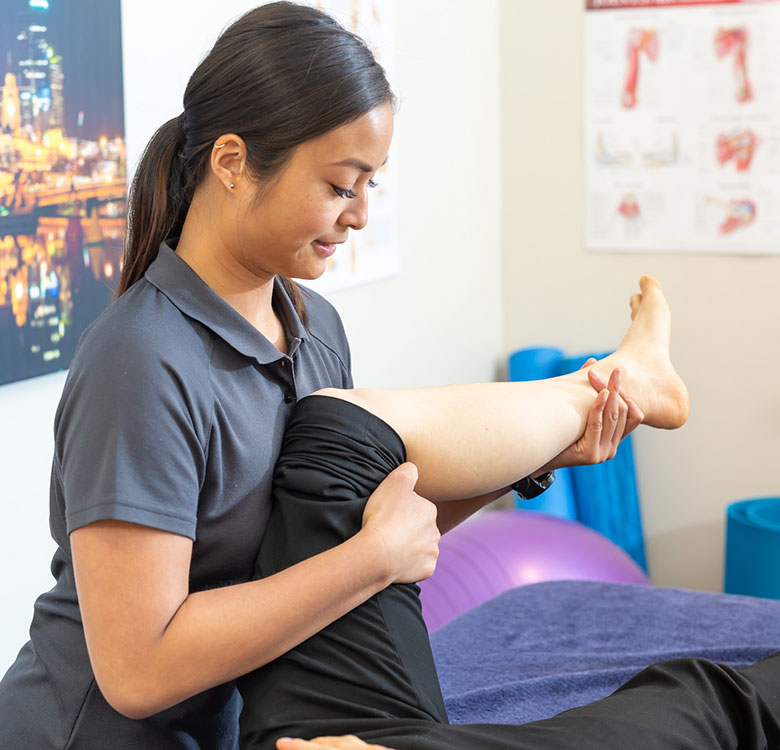
Physiotherapists specialise in tailored rehabilitation plans, focusing specifically on reducing your groin pain after hip replacement by:
- Guiding safe exercises that gradually strengthen weakened muscles.
- Teaching proper movement patterns to reduce groin strain.
- Releasing muscle tension through manual therapy techniques.
Consistently attending your physiotherapy appointments helps speed up healing and significantly reduces discomfort.

Gentle Stretching and Mobility Exercises
Stretching exercises gently relieve tight muscles and improve flexibility around your hip and groin.
Common recommended stretches include:
- Hip Flexor Stretch: Gently kneeling or lunging forward stretches tight groin and hip muscles.
- Glute and Hamstring Stretches: Perform stretches that target the muscles supporting your new hip joint, whether sitting or lying down.
Always perform stretches slowly and carefully, avoiding sudden movements or excessive force.

Apply Ice and Heat Therapy
Alternating between ice and heat therapy effectively eases groin pain after hip replacement:
- Ice Packs: Applying ice reduces inflammation and numbs sharp groin pain. Use for 15-20 minutes several times daily, especially after activity.
- Heat Packs: Heat relaxes tight muscles, easing discomfort and promoting blood flow. Apply gently for 15-20 minutes once initial swelling subsides.

Pain Medication and Anti-Inflammatories
Your doctor might recommend medications to manage groin pain post-hip surgery:
- Anti-inflammatory Medications: Ibuprofen or prescription anti-inflammatories reduce swelling and pain.
- Pain Relievers: Acetaminophen or prescription analgesics can temporarily ease groin discomfort, supporting your rehabilitation progress.
Always follow dosage guidelines and your surgeon’s advice on medication.
Lifestyle Tips to Ease Hip and Groin Pain Post-Surgery
Beyond direct interventions, daily habits significantly impact your pain levels and healing:
- Maintain Gentle Movement: Regular, gentle walks and low-impact activities keep joints lubricated and muscles flexible.
- Proper Sitting Posture: Sitting in ergonomically supportive chairs with cushions can help reduce groin strain.
- Avoid Excessive Twisting or Bending: Protect your healing hip by modifying movements, especially during the initial weeks.
- Use supportive aids: Walking sticks, crutches, or walking frames lessen stress on your recovering joint, significantly easing groin pain during movement.
Implementing these simple lifestyle adjustments can significantly enhance comfort during recovery.
Physiotherapy Exercises to Relieve Groin Pain After Hip Replacement
Effective physiotherapy exercises play a crucial role in relieving groin pain after hip surgery. Here are several key exercises often recommended by physiotherapists:
- Ankle Pumps and Heel Slides: Simple exercises promoting circulation and mobility in the lower body.
- Standing Hip Abductions: Slowly lifting your leg sideways strengthens outer hip muscles, stabilising your pelvis.
- Bridge Exercises: Lying on your back, gently lifting your hips strengthens the gluteal and pelvic muscles, reducing groin tension.
Always consult your physiotherapist before starting any new exercises after surgery.
When Should I Seek Professional Help When Trying to Relieve Hip Pain?
While groin pain after hip replacement typically improves with time and proper care, complications can sometimes arise.
You should contact your physiotherapist or surgeon immediately if:
- Your groin pain intensifies or becomes severe.
- Persistent swelling or redness develops around your surgical area.
- You experience fever or signs of infection.
- Pain continues despite following your rehabilitation and pain management strategies.
Prompt professional assessment ensures quick identification and treatment of complications.
Preventing Chronic Groin Pain Post-Hip Surgery
To reduce the risk of ongoing groin pain after hip operation, proactive rehabilitation and healthy lifestyle choices are essential:
- Consistent Rehabilitation: Adhering to prescribed exercises and therapies promotes a full recovery and helps prevent chronic pain.
- Strengthening Supporting Muscles: Regular physiotherapy exercises targeting core, hip, and pelvic strength keep your joints stable.
- Mindful Movements: Developing awareness of proper posture and lifting techniques safeguards your new hip joint and reduces long-term discomfort.
Why Choose BodyMotion Physiotherapy for Your Post-Surgical Rehabilitation?
At BodyMotion Physiotherapy in Mitcham, we specialise in guiding Melbourne residents through smooth recoveries from hip replacement surgeries. Our experienced physiotherapists provide personalised rehabilitation plans specifically tailored to help relieve your hip and groin pain effectively.
When you choose BodyMotion Physiotherapy, you’ll experience:
- Individualised Treatment Plans: Tailored specifically to your surgery and personal recovery goals.
- Highly Experienced Therapists: Skilled professionals who understand precisely how to relieve hip and groin pain quickly and safely.
- Comprehensive Support: Clear explanations, ongoing advice, and practical techniques to accelerate your recovery.
- Comfortable, Accessible Clinic: Our Mitcham practice is welcoming and conveniently located, offering flexible appointment times to suit your schedule.
Take the First Step Towards a Pain-Free Recovery
Relieving hip and groin pain after your replacement surgery doesn’t have to feel overwhelming. With dedicated physiotherapy support, proper exercise, and smart lifestyle changes, you’ll soon be back to your active, pain-free life.
Ready to start your recovery journey? Our expert team at BodyMotion Physiotherapy in Mitcham is here to support you every step of the way.
Book Your Appointment Online or contact our friendly team if you have any questions or prefer speaking directly.