

Basketball is fast, physical, and unpredictable.
Whether you’re flying in for a rebound, cutting across defenders, or pivoting for a layup, every movement places unique demands on your body.
At BodyMotion, we specialise in basketball physiotherapy tailored for athletes at every level. From local sprains and strains to the worst injuries in basketball, our physios know what it takes to get you off the bench and back on court, safely and stronger.
Based in Mitcham, we support basketballers from Ringwood, Donvale, Nunawading, Blackburn, and across Melbourne’s eastern suburbs.
Book now to kickstart your recovery with a physio who understands the game.
Basketball isn’t just a game of shooting and defence. It’s a sport that combines high-speed sprints, abrupt deceleration, jumping, landing, and intense contact, all of which can wreak havoc on your body without proper conditioning and recovery.
That’s why basketball physiotherapy isn’t a one-size-fits-all solution.
At BodyMotion, we tailor your treatment to:
We don’t just treat symptoms. We rebuild confidence, reduce reinjury risk, and help you perform better on court.
Even the worst basketball injuries don’t have to be the end of your season.
At BodyMotion, we combine expert hands-on treatment with evidence-based rehab protocols and long-term injury prevention strategies.
Whether it’s an acute sprain or a persistent niggle, we guide you from pain to performance with structured phases:

If you’ve played long enough, chances are you’ve felt one of these:
One of the most common injuries in basketball is ankle sprains. Often caused by landing on another player’s foot or missteps during fast direction changes.
Jumping, landing, and cutting motions increase the risk of ACL, meniscus and wider knee injuries.
Explosive sprinting and overuse can lead to lower-limb muscle injuries.
From rebounding collisions to awkward falls, shoulder injuries often spring up.
Ball handling and defensive contact often result in sprains, dislocations, or fractures.
We also help with basketball rehabilitation for chronic or overuse injuries such as jumper’s knee (patellar tendinopathy), shin splints, lower back pain, and Achilles tendinopathy.
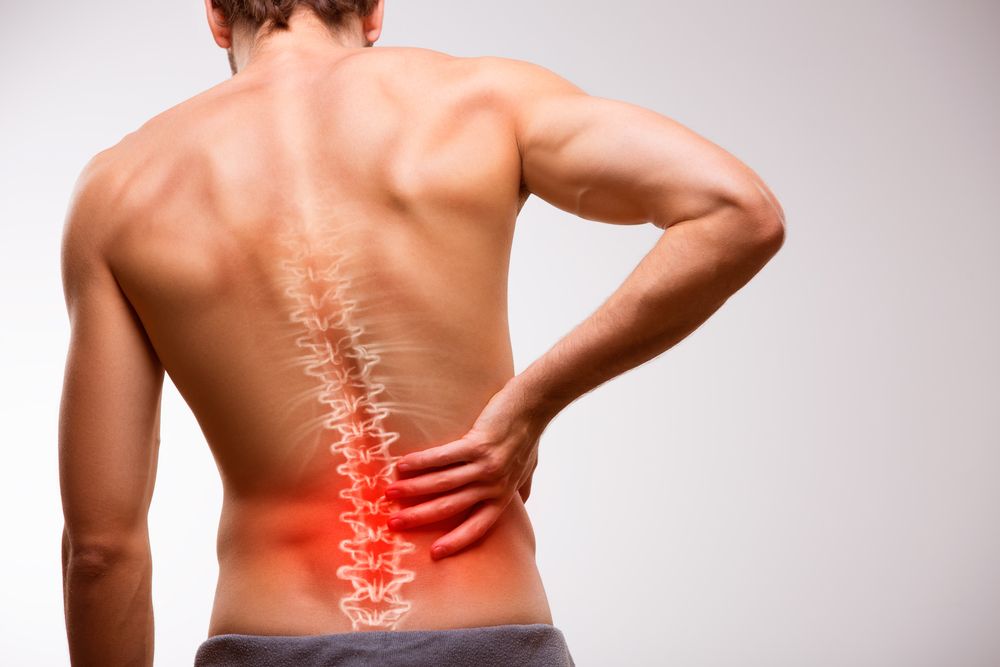
Our basketball rehab programs include tailored exercises to strengthen the muscles, joints, and movement patterns critical to performance:
We coach you on proper form and progression so you’re not just “doing exercises”; you’re building a body that withstands the game.
You don’t need to be a pro to benefit from a basketball physio.
We support:
Whether it’s your first injury or a long-standing issue, we’ll treat you like the athlete you are.
Since 2009, we’ve worked with Melbourne’s top local athletes, including basketballers from Donvale, Doncaster, Vermont, Park Orchards, Ringwood, Blackburn, Nunawading and surrounding areas.
Here’s why players trust us:
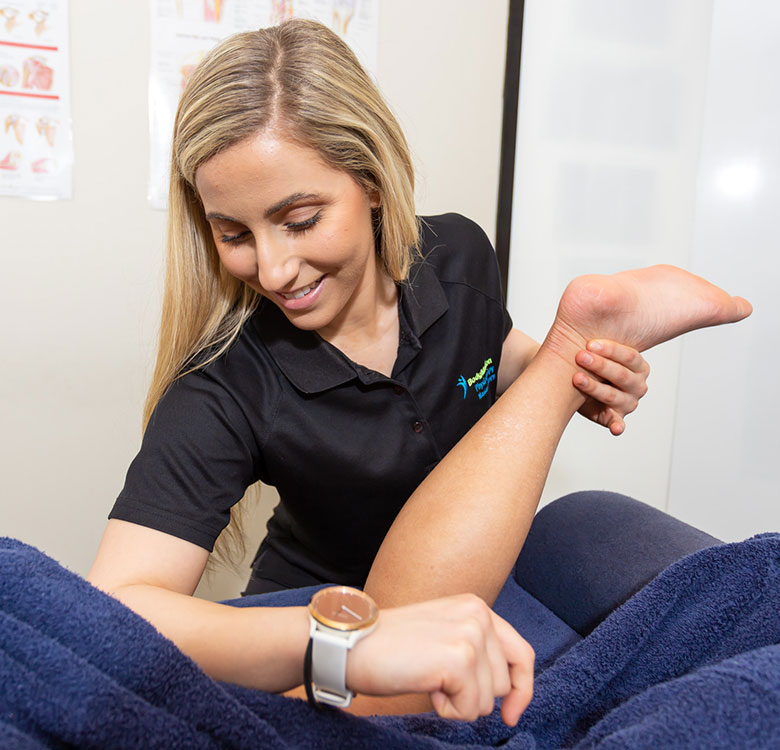
If pain is keeping you from playing your best (or playing at all), don’t wait. Get on the front foot with basketball physiotherapy that helps you recover right, prevent future setbacks, and return stronger.
Visit us in Mitcham or call today to book your first session. Let’s get you back on court, moving better and with more confidence.
Ankle sprains, ACL tears, patellar tendinopathy (jumper’s knee), hamstring strains, and finger dislocations are among the most common basketball injuries.
A basketball physio can help reduce pain, restore mobility, improve strength, and develop sport-specific rehab programs to prepare your body for return to training and matches.
Depending on the injury, these may include single-leg squats, hamstring bridges, lateral hops, shoulder-band work, and core-stability drills. Your physio will tailor a program to your stage of rehab.
Yes, our injury prevention focus includes strength training, biomechanical analysis, mobility work, and tailored warm-up routines to reduce risk on the court.
Absolutely. We support junior and adolescent athletes with safe rehab that considers their stage of growth and sport development.
A Relaxation Massage is a great way to pamper yourself, reduce stress and recharge your energy levels. Using a combination of relaxing massage strokes, usually with a lighter pressure, you can opt for a full body massage or choose the areas you would like to have massaged which can include the back, shoulders, legs, feet, arms, hands, neck, head and face.
This is a therapeutic remedial Maintenance Massage which may be recommended to you by your physiotherapist and aims to help you to maintain the results that you have achieved from your Physiotherapy treatments. This massage will be targeted to the area that you had treated by your physio, and will ensure that the muscles continue to work well together to keep you free of pain.
A remedial Therapeutic or Deep Tissue Massage is generally a deeper, firmer pressure and will target particular areas of tightness and restriction in your muscles. You will be asked to provide feedback throughout this massage to assess if the level of pressure is suitable for the area.
A remedial Sports Massage can help to ease any muscular pain post workout or after you have participated in a sporting activity. It can also be beneficial prior to a sporting event to ensure that your muscles are at their peak state, therefore assisting you to perform at your highest possible level.