

Field hockey is fast, physical, and demanding, making it one of the most injury-prone team sports in Australia. Whether you’re battling turf toe, nursing a sprained ankle, or managing chronic knee pain, our hockey physio services in Melbourne are here to help.
At BodyMotion Physiotherapy, we provide tailored hockey physiotherapy that goes beyond basic rehab.
We focus on understanding the demands of your position, your playing surface, and your training schedule to create a treatment and performance plan that works for you.
Hockey players face a unique blend of explosive movements, high-impact collisions, and asymmetrical loading from stick handling. These factors lead to a high rate of acute and overuse injuries that generic physiotherapy may not fully address.
Our hockey physiotherapy services help players:
You don’t have to wait until you’re injured to benefit from hockey physiotherapy. Many players use our services as part of their performance plan.
We can help you:

From junior athletes to elite-level players, we see a wide range of hockey injuries that benefit from specialised physio care.
Every hockey injury is different, which is why we never offer one-size-fits-all solutions. Here’s what your recovery might include:
Since 2009, BodyMotion Physiotherapy has supported Melbourne’s sporting community with tailored physiotherapy for athletes at all levels.
Hockey players trust us because:
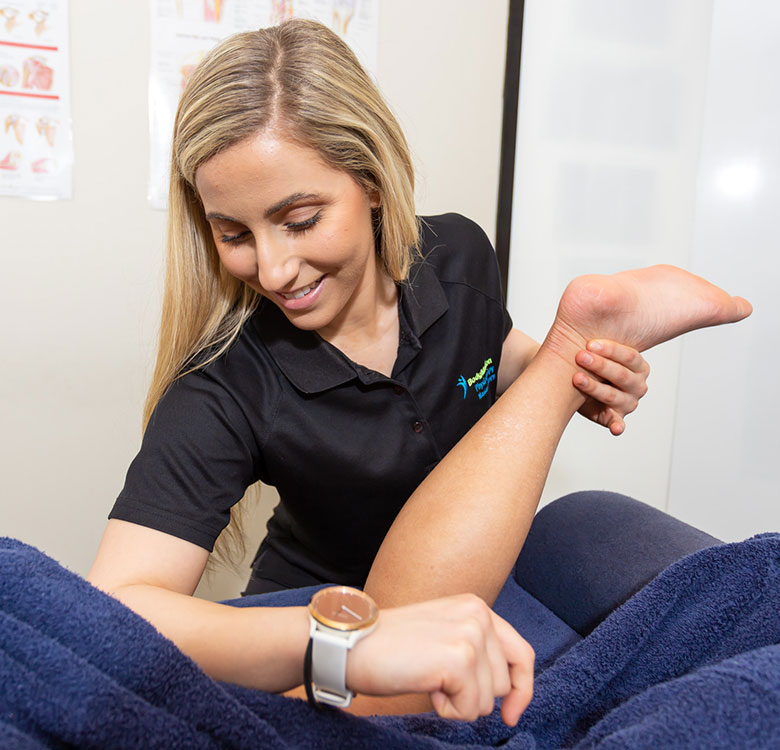
Whether you’re a junior getting into club hockey, a senior player recovering from injury, or a veteran keen to stay active, we build treatment plans that suit your goals, game style, and lifestyle.
Our goal? To keep you active, injury-free, and performing at your best, no matter your age or skill level.
Ready to move better, play harder, and reduce your injury risk? Book an appointment with a hockey physio in Melbourne who understands the game and your body.
Book Online or contact us today to get back on the field stronger than before.
Common injuries in hockey include ankle sprains, knee ligament injuries (ACL/MCL), groin strains, wrist injuries, lower back pain, and hip flexor issues. These are typically caused by fast turns, awkward landings, collisions, or repetitive strain from stick work and sprinting.
Yes. A dedicated hockey physio will assess your movement, biomechanics, and game demands to create a personalised injury prevention plan. This may include strength training, balance drills, mobility work, and recommendations for hockey support gear, such as taping or braces.
If you’ve had a recent injury, feel unstable during play, or experience recurring joint pain, it might be time to consider hockey ankle support or knee support for hockey. A physiotherapist can assess your condition and fit you with the right support for comfort and protection.
Hockey physiotherapy focuses on the unique physical demands of the sport, such as explosive changes of direction, constant crouching, and stick-handling mechanics. Treatment and rehab are designed specifically to support these needs and get you back on the field safely.
Yes, but you’ll need a structured rehabilitation plan. Hockey rehab after an ACL injury involves phases of strength-building, neuromuscular control, and progressive on-field drills before a full return to play. Our hockey physios in Melbourne can guide you every step of the way.
Ideally, you should see a physio as soon as swelling or pain develops. Early intervention allows for faster recovery, more accurate diagnosis, and reduced risk of long-term compensation or reinjury.
Absolutely. We treat junior hockey players, teens in high-performance development programs, and adult competitors alike. Treatment is adapted to age, maturity, and training level.
physiotherapy can help identify the cause and introduce strategies such as mobility work, soft-tissue therapy, and pre- and post-game hockey recovery plans.
Recovery timelines vary. Minor sprains or muscle strains may resolve in 2–4 weeks. More serious injuries, like ligament tears or stress fractures, may take 6–12+ weeks, depending on severity and rehab consistency.
Yes! In fact, many players use hockey physio proactively to improve sprint power, stability, and endurance. We offer strength testing, movement screening, and advice on everything from hockey wrist support to warm-up drills and recovery strategies.
A Relaxation Massage is a great way to pamper yourself, reduce stress and recharge your energy levels. Using a combination of relaxing massage strokes, usually with a lighter pressure, you can opt for a full body massage or choose the areas you would like to have massaged which can include the back, shoulders, legs, feet, arms, hands, neck, head and face.
This is a therapeutic remedial Maintenance Massage which may be recommended to you by your physiotherapist and aims to help you to maintain the results that you have achieved from your Physiotherapy treatments. This massage will be targeted to the area that you had treated by your physio, and will ensure that the muscles continue to work well together to keep you free of pain.
A remedial Therapeutic or Deep Tissue Massage is generally a deeper, firmer pressure and will target particular areas of tightness and restriction in your muscles. You will be asked to provide feedback throughout this massage to assess if the level of pressure is suitable for the area.
A remedial Sports Massage can help to ease any muscular pain post workout or after you have participated in a sporting activity. It can also be beneficial prior to a sporting event to ensure that your muscles are at their peak state, therefore assisting you to perform at your highest possible level.