

Rugby is one of the most physically demanding sports out there, a game of high-impact collisions, rapid accelerations, and serious resilience. But when the hits keep coming, injuries often follow.
At BodyMotion Physiotherapy, our rugby physio services are tailored to keep you in the game, whether you’re dealing with a sprain, strain, or a full-blown rugby injury that’s sidelined your season.
We don’t just treat injuries.
We help you:
Whether you’re a weekend warrior, semi-pro, or school-level player, our Mitcham-based rugby physiotherapy programs are built to meet your specific goals.
Rugby is a full-contact sport that places stress on almost every part of the body. From ankle rolls in rucks to shoulder collisions in tackles, players face a wide range of acute and overuse injuries.
Our rugby physio Melbourne team understands:
That’s why we create rugby rehab plans specific to your position, goals, and injury history.
Choosing a clinic that understands the game of rugby makes all the difference.
At BodyMotion, we offer more than generic rehab.
You’ll benefit from:

Rugby injuries aren’t always predictable, but some are more common than others. Here’s what we regularly see and treat:

Our rugby rehab doesn’t stop at pain relief. We rebuild your foundation and help you return to the field better than before.
What to expect:
Players choose us because:
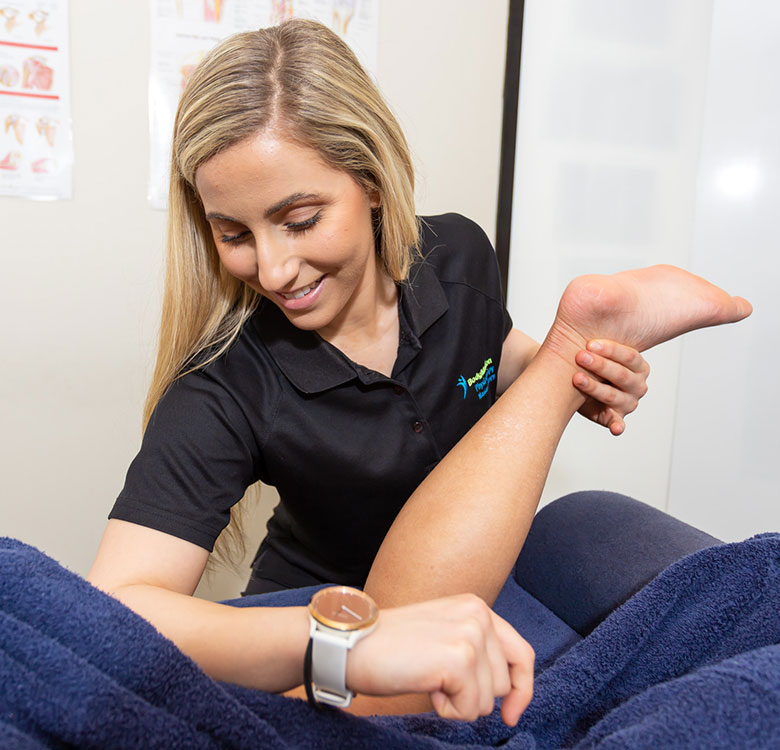
Don’t let an injury bench you. With our expert rugby physiotherapy services in Mitcham, you can recover fully, perform stronger, and reduce the risk of future setbacks.
Whether you’re battling a recurring ankle sprain or starting rugby rehabilitation post-surgery, we’ll help you rebuild the confidence to get back into contact and back in the game.
Serving Donvale, Doncaster, Vermont, Park Orchards, Ringwood, Blackburn, Nunawading and the surrounding eastern suburbs. Contact us and take the first step toward your comeback.
The most common injuries we see are shoulder dislocations, ankle sprains, knee ligament injuries (such as ACL or MCL tears), and hamstring strains. These often result from contact, poor landing technique, or inadequate warm-up. Our rugby physio team is highly experienced in treating and rehabilitating these injuries.
Yes. Chronic or recurring issues are a major focus of our rugby rehabilitation programs. We’ll identify movement imbalances, muscular weaknesses, or faulty mechanics contributing to the problem and work with you to prevent future flare-ups.
Your initial appointment will include a full assessment of your injury, mobility, strength, and playing demands.
Treatment may involve:
Each session is tailored to your current stage of recovery.
We work with players throughout the season, including pre-season screening, in-season injury rehab, and post-season recovery. Many athletes see our rugby physios to stay mobile, maintain performance, and manage load between matches.
Not always. What feels like a minor rugby injury can lead to compensation, worsening symptoms, or a more severe injury later. If you’re in pain, don’t push through it — a physio can assess whether it’s safe to play and what support or modifications you may need.
Yes. While medical clearance for concussion is essential, our team can assist in the physical rehabilitation phase, helping manage neck tightness, balance issues, or return-to-play conditioning post-clearance.
Absolutely. Our rugby physios can show you how to tape your shoulder, ankle, or wrist correctly, and advise on when rugby ankle support, knee sleeves, or shoulder braces are appropriate, especially for players returning to contact after injury.
Yes, our Mitcham clinic supports players across all levels, including juniors, weekend club players, and semi-professionals. Every player gets a customised plan based on their sport demands, level of competition, and long-term goals.
A Relaxation Massage is a great way to pamper yourself, reduce stress and recharge your energy levels. Using a combination of relaxing massage strokes, usually with a lighter pressure, you can opt for a full body massage or choose the areas you would like to have massaged which can include the back, shoulders, legs, feet, arms, hands, neck, head and face.
This is a therapeutic remedial Maintenance Massage which may be recommended to you by your physiotherapist and aims to help you to maintain the results that you have achieved from your Physiotherapy treatments. This massage will be targeted to the area that you had treated by your physio, and will ensure that the muscles continue to work well together to keep you free of pain.
A remedial Therapeutic or Deep Tissue Massage is generally a deeper, firmer pressure and will target particular areas of tightness and restriction in your muscles. You will be asked to provide feedback throughout this massage to assess if the level of pressure is suitable for the area.
A remedial Sports Massage can help to ease any muscular pain post workout or after you have participated in a sporting activity. It can also be beneficial prior to a sporting event to ensure that your muscles are at their peak state, therefore assisting you to perform at your highest possible level.