


Cricket might appear gentle on the surface, but for players—whether professional or weekend warriors—it’s a physically taxing sport.
Long days in the field, repeated bowling actions, sudden sprints, and awkward dives all put stress on the body. Unsurprisingly, cricket injuries are common across all levels of the game.
If you’re dealing with a cricket injury or want to avoid one, physiotherapy can make all the difference.
In this article, we’ll explore the most common injuries faced by cricket players and how physiotherapy can aid in pain relief, recovery, and a safe return to play.
Why Are Cricket Injuries So Common?
The nature of cricket combines periods of low activity with sudden, intense movement—like sprinting between wickets, throwing from the boundary, or delivering multiple overs in a row.
These high-intensity bursts, often repeated over long matches or seasons, can wear down the body.
Key factors that increase injury risk in cricketers include:
- Repetitive bowling or throwing
- Poor technique or posture
- Overtraining or insufficient recovery
- Weakness or imbalance in key muscle groups
- Poor fielding mechanics (e.g. diving or landing incorrectly)
- Growth-related vulnerabilities in junior players
The 5 Most Common Injuries in Cricket
1. Lower Back Injuries (Especially in Fast Bowlers)
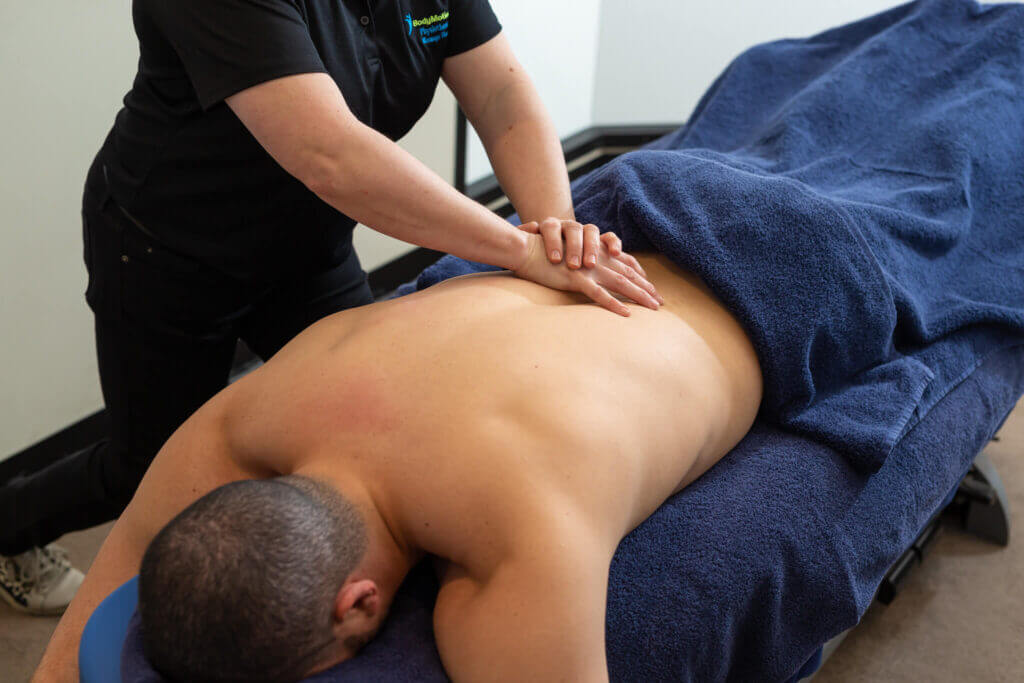
Back pain is one of the most frequently reported issues in cricket, particularly among fast bowlers. The repeated extension and twisting involved in the bowling action places enormous strain on the lumbar spine, leading to conditions like:
- Lumbar stress fractures
- Disc-related pain
- Muscle strains or spasms
How physiotherapy helps:
- Spinal mobility and strengthening exercises
- Bowling technique analysis
- Load management plans
- Return-to-bowling programs with clear progression

2. Shoulder Injuries
Throwing, bowling, and diving can place enormous demand on the shoulder joint. Common shoulder injuries in cricket include:
- Rotator cuff tears or strains
- Bursitis
- Shoulder impingement or instability
How physiotherapy helps:
- Shoulder strength and control exercises
- Soft tissue release and manual therapy
- Scapular retraining
- Taping and support strategies
3. Side Strains (Oblique or Abdominal)
Side strains are common in both bowlers and batters due to high rotational loads placed on the trunk. They can be particularly frustrating, as they often recur without proper rehab.
How physiotherapy helps:
- Controlled trunk strengthening
- Gradual reintroduction to rotation
- Posture and movement assessment
- Massage, dry needling or other release techniques


4. Knee Injuries
Cricketers can injure their knees from diving, sudden stops, awkward landings, or poor lower-body mechanics. Common conditions include:
- Patellar tendinopathy
- Ligament sprains
- Meniscus irritation
- Jumper’s knee (especially in fielders and keepers)
How physiotherapy helps:
- Strengthening of glutes, hamstrings and quads
- Movement retraining for sprinting and landing
- Sports taping or bracing
- Return-to-fielding drills
5. Hand and Finger Injuries
Finger dislocations, sprains, and fractures are common for wicketkeepers and fielders, particularly when catching fast deliveries or diving.
How physiotherapy helps:
- Swelling reduction and mobilisation
- Grip and dexterity training
- Progressive return to throwing/catching drills

Head Injuries and Concussion in Cricket
While less frequent than musculoskeletal injuries, head injuries in cricket do occur, particularly from short-pitched deliveries or accidental contact. Even with protective gear, concussions and facial trauma are possible.
Physiotherapy for head injuries includes:
- Concussion rehabilitation and monitoring
- Vestibular (balance) and visual retraining
- Safe return-to-play protocols
Cricket Injuries in Junior Players
Junior players are especially vulnerable to injury during growth phases. Their bones and soft tissues are still developing, and overtraining or poor technique can lead to:
- Stress fractures (especially in the spine)
- Osgood-Schlatter’s disease (knee pain)
- Sever’s disease (heel pain)
Physiotherapy for juniors focuses on:
- Load management
- Growth-aware strengthening
- Teaching safe movement patterns early
How Physiotherapy Helps Cricket Players
Whether you’re recovering from injury or aiming to avoid one altogether, working with a cricket physiotherapist gives you access to tailored care that reflects the physical demands of your sport.
At BodyMotion Physiotherapy, we offer:
- Biomechanical assessments for technique and posture
- Individualised rehab plans based on your playing role
- Manual therapy to relieve pain and restore function
- Return-to-play criteria to guide safe progression
- Load management advice to prevent overuse issues
- Strength & conditioning programs specific to cricket
We collaborate with your coaches and strength staff (if applicable) to ensure your rehab and performance program fits seamlessly into your schedule.
Signs You Should See a Cricket Physio
You don’t need to be sidelined to benefit from cricket physiotherapy. Early intervention can help prevent small niggles from turning into bigger problems.
Book in if you notice:
- Ongoing soreness after matches
- Sharp or pulling sensations during bowling or throwing
- Tightness or stiffness that’s affecting performance
- Fatigue or weakness in key areas (shoulders, back, knees)
- Previous injuries that keep flaring up
Supporting Cricketers of All Ages in Melbourne
At BodyMotion Physiotherapy in Mitcham, we’re proud to support cricketers from juniors through to seasoned athletes. Whether you’re nursing an old injury, recovering from something new, or want to move better and play stronger, our experienced cricket physios are here to help.
Book Your Appointment Online or contact our friendly team if you have any questions.