


Tension headaches, often described as a tight band of pressure around the head, are among the most common forms of headaches. While many factors can contribute to these headaches, poor posture is a significant yet often overlooked culprit.
In this article, we’ll explore how posture influences tension headaches and offer corrective strategies to help alleviate and prevent them.
Corrective Strategies to Alleviate and Prevent Posture-Related Headaches
Improving posture and incorporating corrective measures are essential steps in reducing tension headaches linked to bad posture and headaches.
These strategies target the underlying causes of postural headaches by promoting better alignment, reducing muscle strain, and improving overall body mechanics.
Practice Proper Ergonomics
Creating an ergonomic environment at work or home can significantly reduce the strain on your neck and shoulders, preventing headaches caused by poor posture.

Set Up Your Workspace:
- Adjust your chair height so your feet are flat on the floor, and your knees are at a 90-degree angle.
- Position your computer monitor at eye level to avoid tilting your head forward or backward.
- Ensure your back is supported with a chair that offers lumbar support to maintain the natural curve of your spine.
Keyboard and Mouse Placement:
- Keep your keyboard and mouse within easy reach to avoid overextending your arms or shoulders.
- Your wrists should remain neutral while typing, and your forearms should parallel the floor.
Take Breaks:
- Prolonged sitting can lead to stiffness and tension in the neck and shoulders.
- Every 30–60 minutes, stand up, stretch, and walk around to release tension and improve circulation.
Strengthen Neck and Upper Back Muscles
Strengthening the muscles that support your neck, and shoulders can help maintain proper alignment and prevent strain that leads to posture headaches.

Chin Tucks:
- Sit or stand upright. Slowly pull your chin backward, creating a “double chin” effect.
- Hold for 5 seconds, then relax. Repeat 10 times.
- This exercise strengthens the deep neck flexors, helping to realign the head and neck.
Shoulder Blade Squeezes:
- Sit or stand with your arms at your sides. Squeeze your shoulder blades together as if pinching a pencil between them.
- Hold for 5 seconds and release. Perform 10–15 repetitions.
- Strengthens the rhomboid and trapezius muscles to counteract slouching.
Wall Angels:
- Stand with your back against a wall, feet a few inches away from the base.
- Raise your arms to form a “W” shape, then straighten them into a “Y.”
- Repeat 10 times, ensuring your back and arms connect to the wall.
- This improves upper back strength and mobility.
Stretch Regularly
Stretching helps alleviate muscle tension and restore flexibility to areas affected by poor posture, such as the neck, shoulders, and upper back.

Neck Stretches:
- Sit upright. Tilt your head to one side, bringing your ear toward your shoulder.
- Hold for 15–30 seconds, feeling the stretch on the opposite side of your neck.
- Switch sides and repeat. Perform 3–5 repetitions.
Chest Openers:
- Stand or sit upright. Clasp your hands behind your back and gently pull your arms downward while lifting your chest.
- Hold for 15–30 seconds. Repeat 3–5 times.
- This counteracts the forward rounding of shoulders caused by slouching.
Upper Back Stretch:
- Cross your arms in front of your chest and round your upper back, tucking your chin slightly.
- Hold for 15–30 seconds and repeat 3–5 times.
- Loosens tight upper back muscles and promotes better posture.
Mind Your Sleeping Position
Poor sleeping posture can strain your neck and shoulders, exacerbating headaches from bad posture.

Choose the Right Pillow:
- Select a pillow that supports the natural curve of your neck. Memory foam or contour pillows are excellent choices.
- Avoid pillows that are too high or too flat, as they can misalign your spine.
Sleep Position:
- Sleeping on your back is ideal, as it evenly distributes weight and minimises pressure on the neck. Use a supportive pillow under your neck.
- Side sleeping is also effective, provided you use a pillow to align your head with your spine. Avoid sleeping on your stomach, which forces your neck into an unnatural position.
Stay Active
Regular physical activity enhances posture by strengthening muscles, improving flexibility, and reducing overall muscle tension.

Yoga or Pilates:
- These practices focus on body alignment, core strength, and flexibility, all supporting healthy posture.
- Specific poses like downward dog or child’s pose can stretch the back and relieve tension in the neck and shoulders.
Low-Impact Cardio:
- Activities such as walking, swimming, or cycling improve blood circulation, reducing muscle tension and promoting overall relaxation.
- Regular movement helps counteract the effects of prolonged sitting or poor posture.
Integrating these corrective strategies into your daily routine can significantly reduce posture headaches and improve your overall well-being.
As physiotherapists often emphasise, consistency is key—small adjustments and regular exercises can make a significant difference in managing and preventing tension headaches caused by poor posture.
The Role of a Physiotherapist in Managing Posture-Related Headaches
When to See a Physiotherapist
Consider consulting a physiotherapist if:
Headaches Persist Despite Posture Corrections:
If regular stretching, strengthening exercises, and ergonomic adjustments fail to provide relief, it may indicate structural issues or chronic muscle tension that requires professional intervention.
Additional Symptoms Accompany the Headaches:
Vision changes, dizziness, nausea, or tingling in the neck and shoulders could suggest a more complex issue, such as nerve compression or cervical spine dysfunction.
Pain Significantly Impacts Your Daily Life:
When headaches disrupt your ability to work, focus, or perform everyday tasks, a physiotherapist can assess and address the contributing factors to restore functionality and reduce discomfort.
How Physiotherapists Address Posture-Related Headaches
Physiotherapists are uniquely equipped to provide a comprehensive approach to managing postural headaches.
Here’s how we can help:
Personalised Assessment
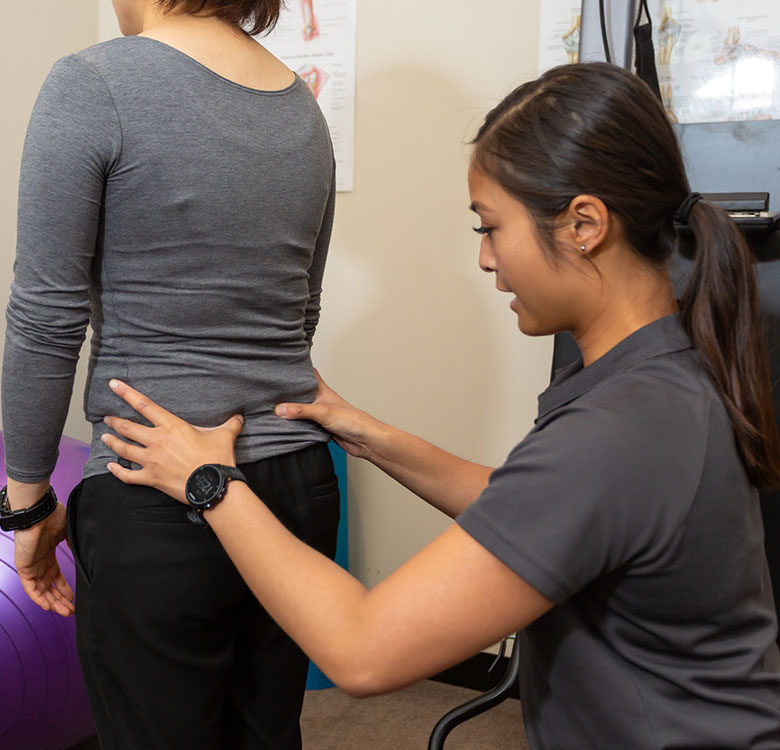
A physiotherapist will thoroughly evaluate your posture, neck alignment, and muscle imbalances to identify the root cause of your headaches. They may perform functional assessments to observe how your daily activities, work habits, or sleeping posture contribute to muscle strain and tension.
Tailored Ergonomic Advice
Physiotherapists provide practical recommendations for optimising your workspace or lifestyle to reduce strain on your neck and shoulders. They can advise on specific ergonomic tools, such as lumbar supports, adjustable desks, or ergonomic chairs, to support healthy posture.
Therapeutic Exercises
- Stretching and Strengthening: Physiotherapists prescribe targeted exercises to improve neck and upper back strength, restore flexibility, and alleviate muscle tension.
- Neck Mobilisation Techniques: Gentle manual therapy techniques can improve mobility and reduce stiffness in the cervical spine.
Hands-On Manual Therapy
Soft tissue massage, myofascial release, or trigger point therapy can relieve tight neck, shoulders, and upper back muscles, often the primary culprits behind tension headaches. Joint mobilisation techniques can improve alignment and reduce stress on the cervical spine.
Postural Re-Education
Physiotherapists guide patients in maintaining correct posture during sitting, standing, and movement. They may use biofeedback or visual aids to help retrain muscles and reinforce proper alignment.
Long-Term Management
For patients with chronic headaches, physiotherapists develop a structured plan that includes gradual progression of exercises, posture maintenance strategies, and regular check-ins to prevent recurrence.
Benefits of Correcting Postural Issues Beyond Headache Release

Seeking physiotherapy early ensures that posture-related headaches are addressed before they become chronic or debilitating. Early intervention can:
- Prevent further muscle strain and cervical spine issues.
- Improve quality of life by restoring normal function and reducing reliance on pain medication.
- Provide education and tools to empower patients to manage and prevent future headaches.
If posture-related headaches affect your daily life, consulting a physiotherapist can be a transformative step toward lasting relief. Through personalised care, physiotherapists alleviate current symptoms and equip you with the strategies and skills needed to maintain optimal posture and overall well-being.
Book your appointment with BodyMotion Physiotherapy today to start your journey to lasting relief.