


If you’ve been dealing with persistent pain that builds over time rather than appearing suddenly, you may be experiencing an overuse injury.
Unlike acute injuries, which happen instantly, overuse injuries develop gradually through repeated stress on muscles, tendons, and joints. They’re one of the most common reasons people seek physio for sports overuse injuries, especially when pain begins to affect training, work, or daily life.
At BodyMotion Physiotherapy, we specialise in identifying and treating overuse conditions early, helping you recover properly and prevent long-term issues.
What Is an Overuse Injury?
An overuse injury occurs when repetitive stress is placed on a part of the body without enough time for recovery. Instead of one major incident, the damage builds slowly.
Unfortunately, many people don’t notice the problem until pain becomes persistent.
Acute vs Overuse Injuries
Understanding the difference is important:
- Acute injuries happen suddenly (e.g. ankle sprain, muscle tear)
- Overuse injuries develop gradually from repetitive stress
Both require treatment, but overuse injury physio focuses heavily on load management and movement correction.
Common Overuse Injuries Examples
There are many examples of overuse injuries across sports and everyday activities. Some of the most common include:
- Patellar tendonitis (jumper’s knee)
- Achilles tendon injuries
- Stress fracture (common in runners)
- Tennis elbow
- Shoulder impingement
- Shin splints
- Osteochondritis dissecans (often in younger athletes)
Each is caused by repetitive loading without sufficient recovery.
Example of an Overuse Injury in Sport
A runner increases their weekly distance too quickly.
At first, they feel mild discomfort. Then:
- Pain appears during runs
- Pain continues after training
- Swelling may develop
- Performance declines
What Causes Overuse Injuries?
A single factor rarely causes overuse injuries. They usually develop due to a combination of risk factors.
Key Risk Factors Include:
- Sudden increase in physical activity
- Poor training technique
- Inadequate recovery
- Muscle weakness or imbalance
- Limited mobility
- Poor footwear or equipment
- Growth plates stress in younger athletes
When these combine, repetitive stress exceeds the body’s ability to adapt.
Symptoms of Overuse Injuries
Early signs are often subtle. Common symptoms include:
- Gradual onset of pain
- Pain during or after activity
- Pain and swelling in affected areas
- Stiffness or reduced movement
- Weakness or fatigue
Ignoring early symptoms often leads to longer recovery times.
Why Are Overuse Injuries So Common?
Modern lifestyles and training habits contribute significantly.
People often:
- Increase training too quickly
- Sit for long periods, then train intensely
- Skip proper warm-ups
- Ignore early warning signs
Whether you’re an athlete or just active in daily activities, the risk remains.
How Overuse Injuries Affect Daily Life
Overuse injuries don’t just affect sport.
They can impact:
- Work tasks
- Sleep
- Walking or standing
- General movement
Left untreated, they can become long-term problems.
Overuse Injury Physio: How We Treat It
At BodyMotion, overuse injury physio focuses on treating the cause, not just the symptoms.
1. Detailed Assessment
We identify:
- Movement patterns
- Strength deficits
- Load tolerance
- Contributing biomechanical factors
We need to cement a firm understanding of your situation to tailor your programs.
2. Load Management
As one of the most important steps, we help you:
- Modify activity levels
- Reduce aggravating movements
- Maintain fitness safely
Complete rest is rarely the answer.
3. Physical Therapy & Rehabilitation
Structured physical therapy is key, so our programs will include:
- Strengthening exercises
- Mobility work
- Movement retraining
- Progressive loading
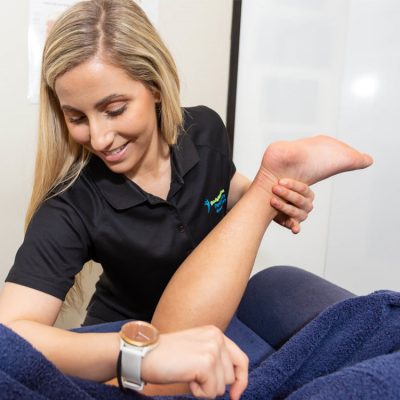
4. Manual Therapy
Hands-on treatment to reduce pain and improve may include:
- Soft tissue work
- Joint mobilisation
- Muscle release
5. Return to Activity Plan
To prevent reinjury, we guide you through:
- Gradual return to sport
- Load progression
- Performance readiness
Injury Prevention: The Key to Long-Term Success
The best treatment is prevention. Our sports medicine approach focuses on reducing risk.
Injury Prevention Strategies:
- Follow structured training programs
- Increase load gradually
- Include strength and conditioning
- Prioritise recovery
- Use proper warm-up routines
- Address mobility restrictions
Prevention reduces the likelihood of recurring issues.
The Role of Strength and Conditioning
Many overuse injuries result from weakness or imbalance. Strength training helps:
- Improve load tolerance
- Protect joints
- Enhance performance
- Reduce injury risk
This is especially important for runners, athletes, and gym users.
When to See a Physio for Overuse Injuries
You should seek help if:
- Pain lasts longer than 1–2 weeks
- Symptoms worsen with activity
- Swelling persists
- Performance declines
- You’ve had recurring injuries
Early intervention leads to faster recovery.
Why Choose BodyMotion for Overuse Injury Physio?
- Experienced physiotherapists
- Individualised treatment plans
- Focus on long-term results
- Evidence-based rehabilitation
- Strong emphasis on injury prevention
We don’t just treat the injury, we help you move better.
Book Overuse Injury Physiotherapy in Mitcham
If you’re dealing with persistent pain or a recurring issue, don’t ignore it. A professional physio for sports overuse injuries can help you:
- Recover faster
- Prevent long-term damage
- Return to activity safely
If you would like to book in with one of our highly qualified physiotherapists, or find out more about overuse injuries, just give us a call on (03) 9873 3333 or submit an enquiry.